Back to projects
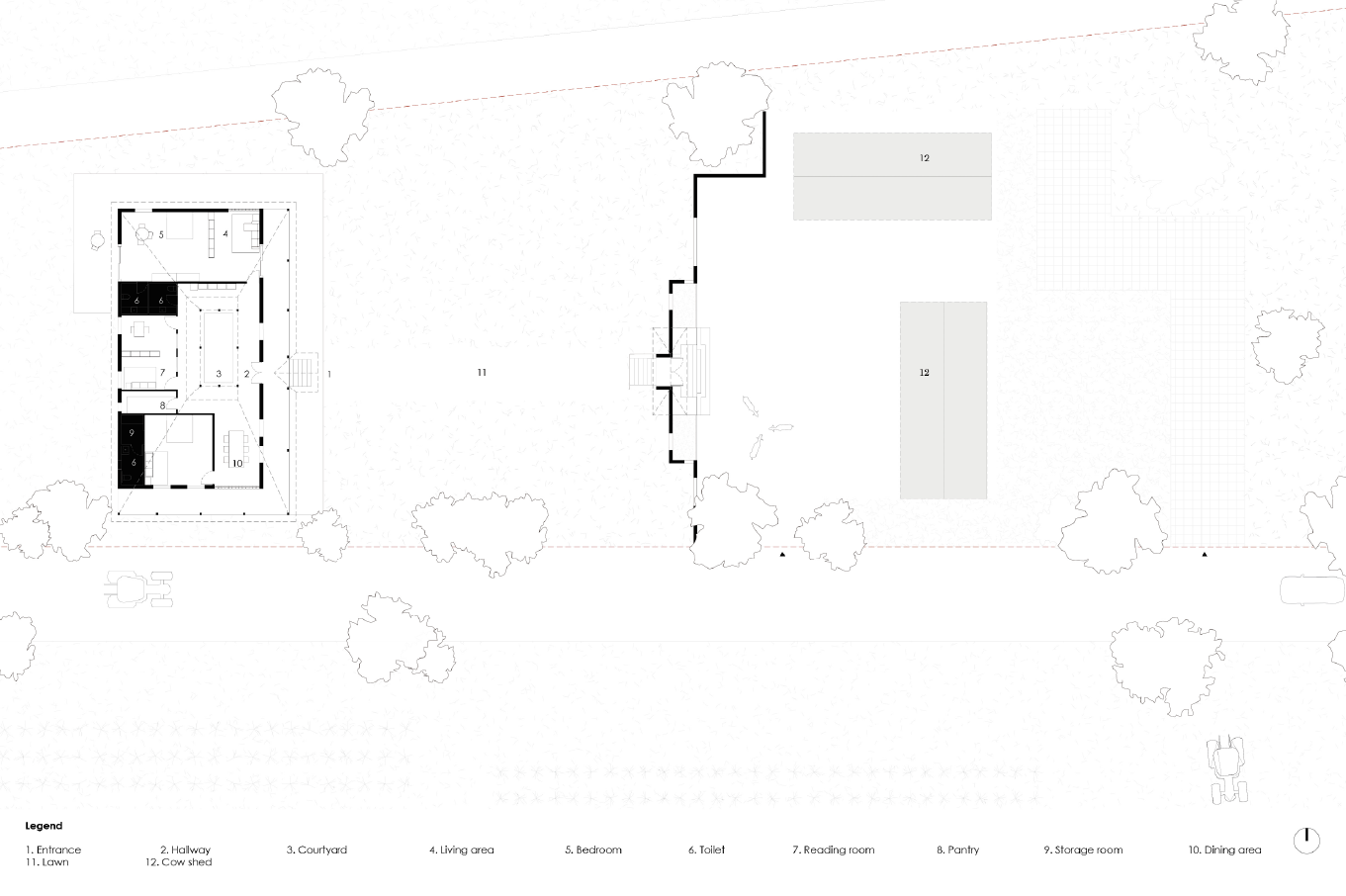
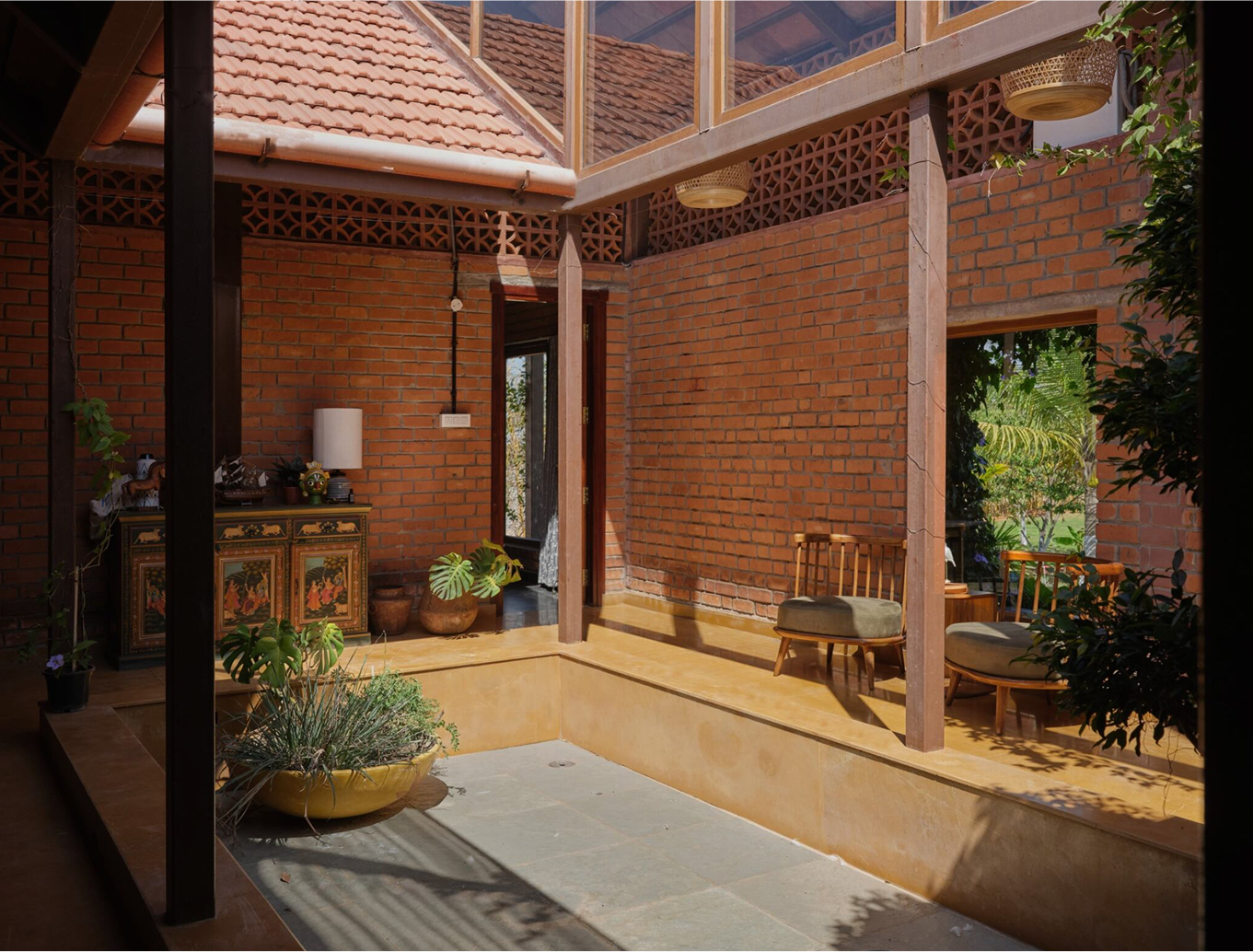
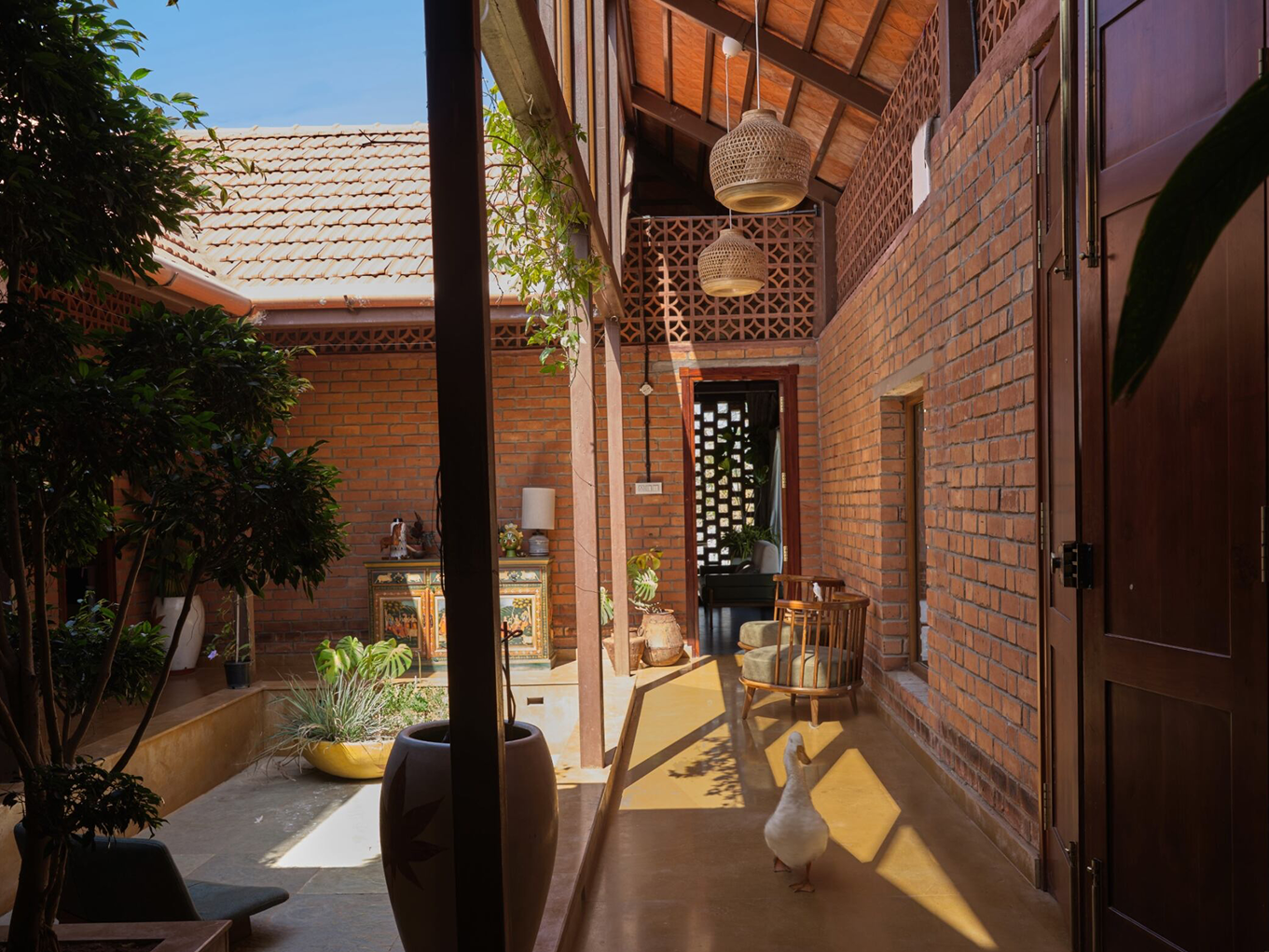
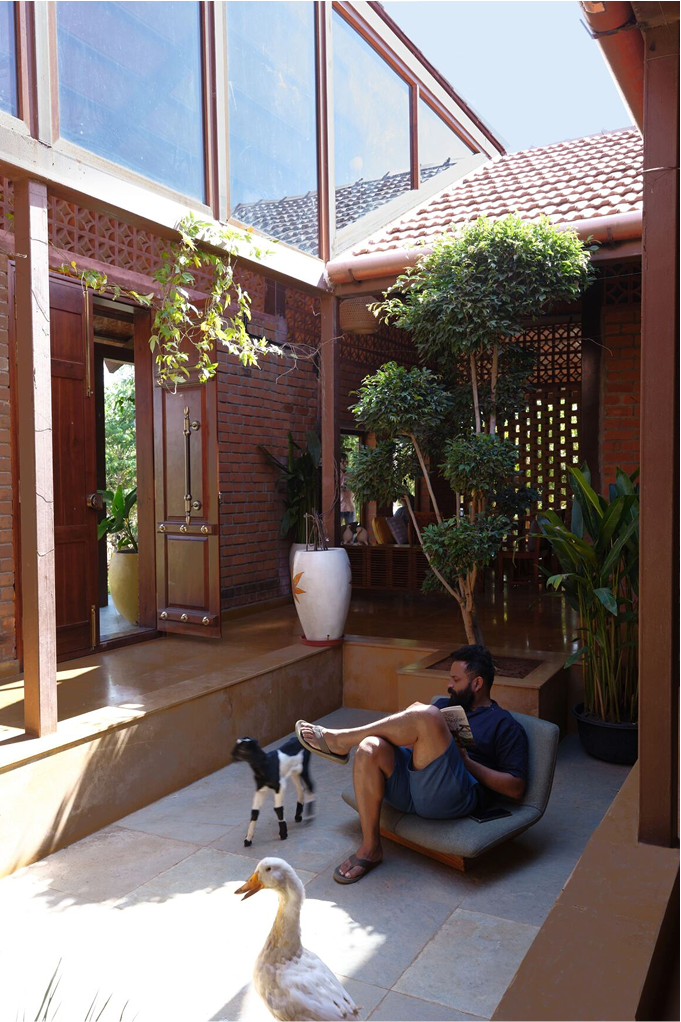
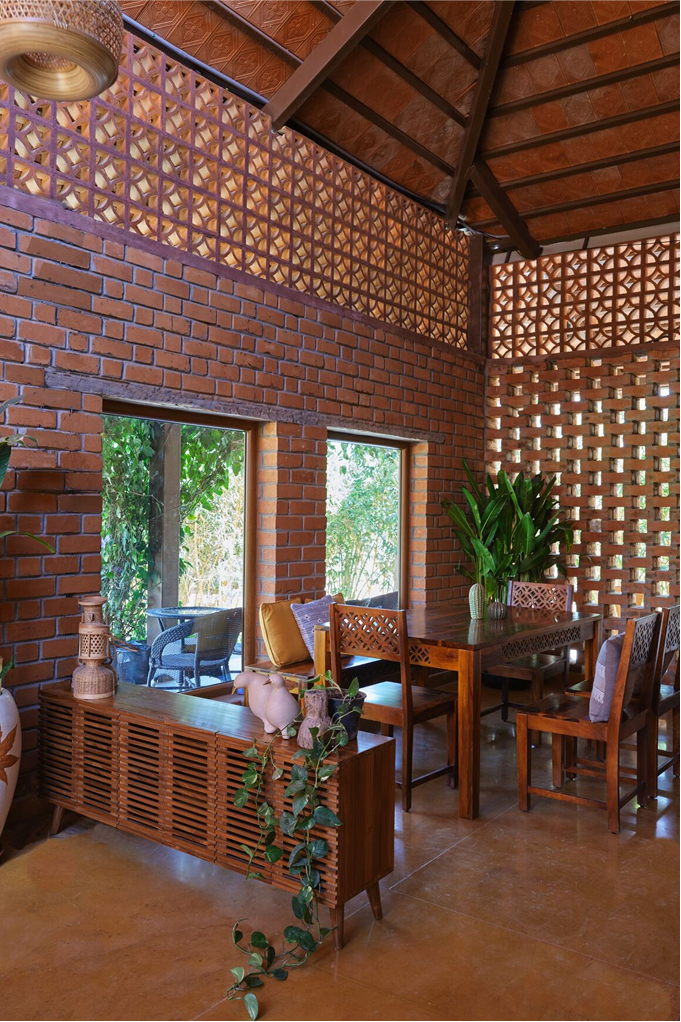
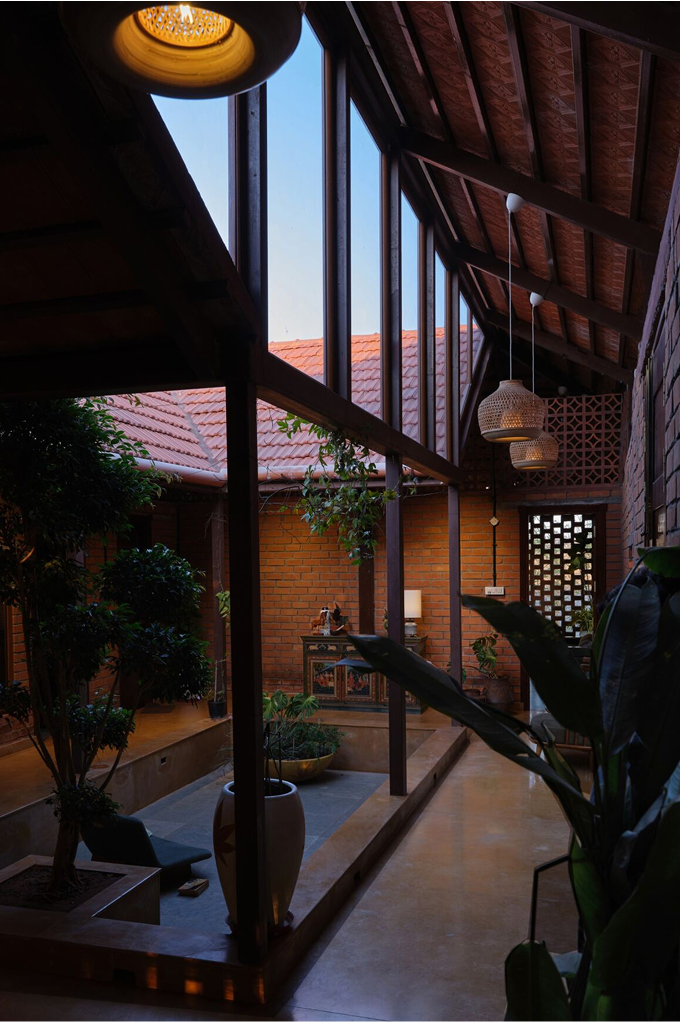
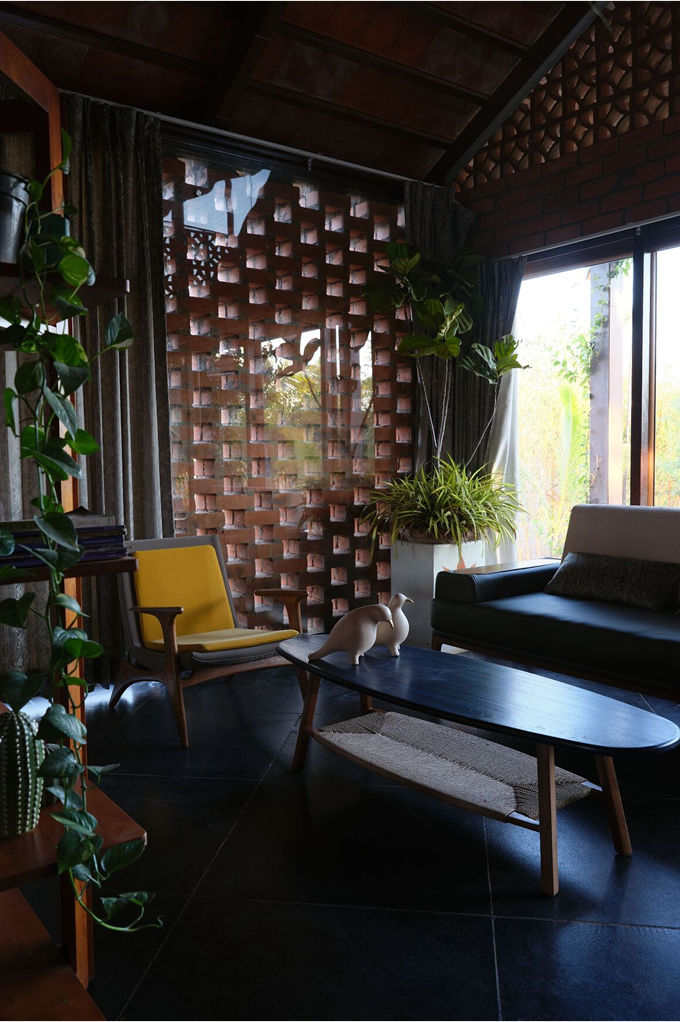
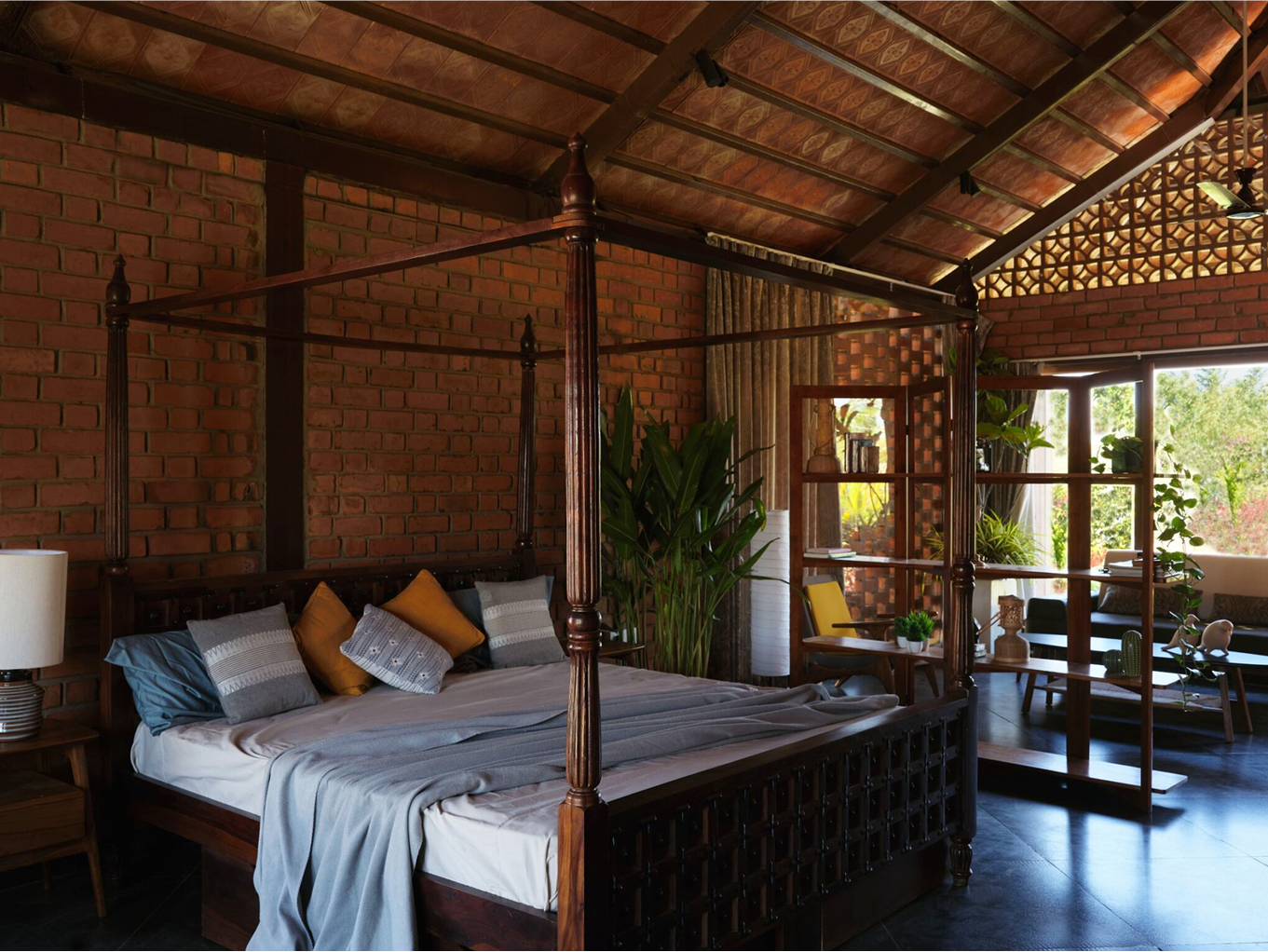
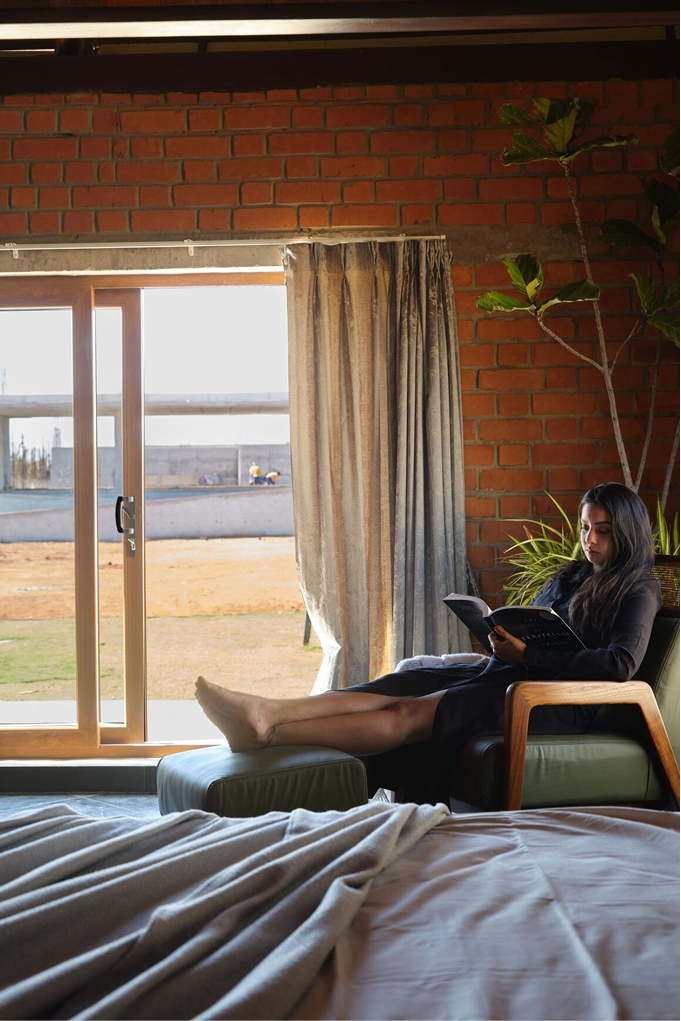
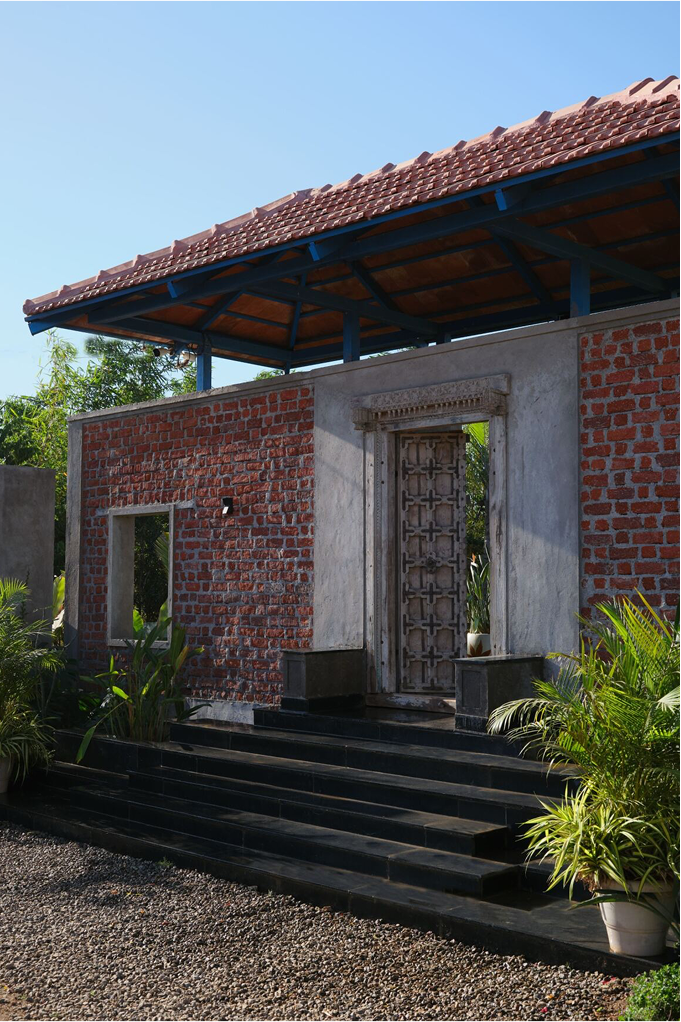
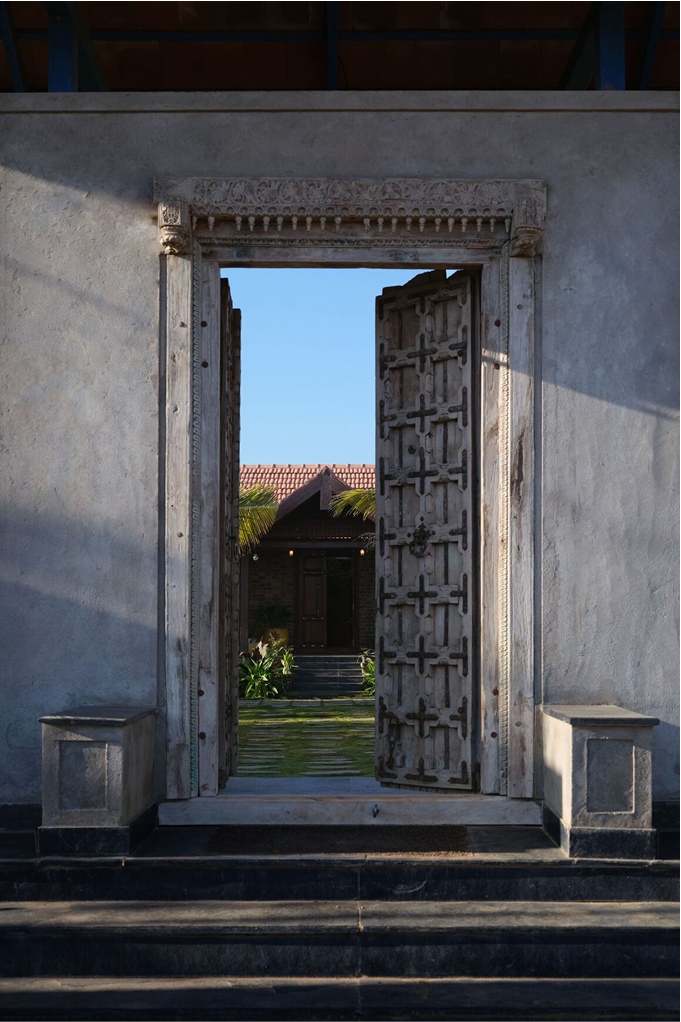
The farmhouse in Pulimamidi showcases sustainable and context-driven architecture. Strategically positioned in the northwest corner, it facilitates rainwater collection via a man-made swale. The 3-foot high plinth protects against floods, and the design diverges from typical urban housing, fostering a connection to the farm environment.The material palette emphasizes local sourcing, with exposed bricks providing privacy and a steel-framed structure. Natural stone flooring and terracotta tiles ensure ease of cleaning and maintain a cool indoor temperature. Exposed electrical conduits simplify maintenance, and honest, bare-form lintels contribute to the structure's authentic character.The central courtyard, enveloped by a verandah, seamlessly connects to the bedroom suites, dining areas, and pantry. Perforated brick walls optimize wind flow and ventilation, creating a cooler indoor microclimate. The surrounding landscape is cultivated to attract local fauna, enhancing the farm's natural ambiance.The design's simplicity enabled local villagers to construct the farmhouse without skilled contractors, making it accessible to a broader audience. Improvements in soil quality have revitalized agricultural activities, and the farmhouse serves as a model for sustainable farmhouse design in rural areas. By embracing local materials and techniques, the design creates a resilient and environmentally conscious space.The farmhouse demonstrates a harmonious blend of traditional techniques and modern sensibilities, creating a serene and sustainable living space amidst the farmland. Its design and functionality make it an exemplary model for sustainable rural architecture.